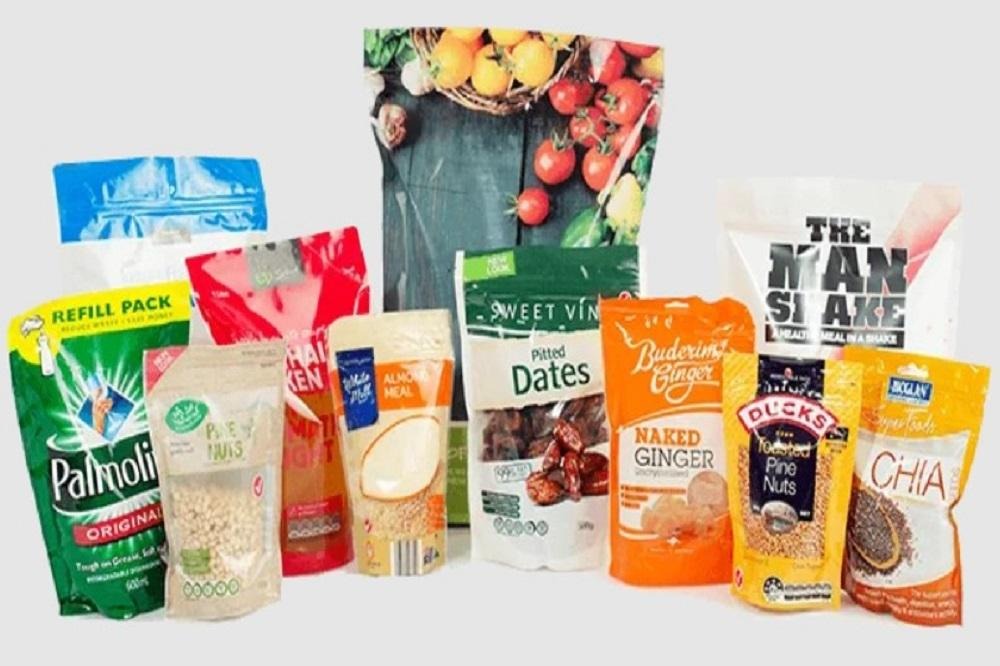
The packaging industry is experiencing a profound transformation, and flexible packaging bags stands at the forefront of this change. In today’s fast-paced market, consumers expect convenience, functionality, and sustainability, and businesses are under increasing pressure to meet these expectations while maintaining operational efficiency and cost-effectiveness. Flexible packaging has emerged as a solution that addresses all these needs, combining protection, adaptability, and environmental responsibility in a single packaging format. It has rapidly become the preferred choice for industries ranging from food and beverage to pharmaceuticals, personal care, household products, and industrial goods.
Flexible packaging differs fundamentally from rigid packaging. Whereas rigid packaging maintains a fixed shape, flexible packaging is made from materials that can conform to the shape of the product it contains. This includes films, foils, papers, laminates, and other composite structures that can be folded, wrapped, or formed into a variety of shapes. This inherent adaptability allows manufacturers to create packaging that is not only functional but also visually appealing, providing an enhanced consumer experience while protecting the contents effectively. The benefits of flexible packaging extend beyond convenience and protection. One of its most significant advantages is its ability to act as a barrier against environmental factors that can compromise product quality. Moisture, oxygen, light, and even odors can negatively affect sensitive products, and flexible packaging is designed to prevent such exposure. Food items, pharmaceuticals, cosmetics, and other perishable or delicate products rely on these barrier properties to maintain freshness, safety, and efficacy throughout their shelf life.
In addition to protecting the product, flexible packaging offers unparalleled convenience for both consumers and retailers. Features such as resealable zippers, spouts, easy-tear openings, and stand-up pouches enhance usability and ensure that the product remains accessible while retaining its quality. These features are particularly important in today’s market, where consumer convenience is a major determinant of purchasing behavior. Flexible packaging also reduces shipping and storage costs because it is lightweight and can be packed efficiently, often taking up far less space than traditional rigid containers. The reduced weight and compact nature of flexible packaging contribute to sustainability efforts by lowering transportation-related energy consumption and reducing greenhouse gas emissions associated with logistics.
Polyethylene terephthalate, commonly known as PET, is another vital component of flexible packaging, providing excellent strength, durability, and thermal stability. It is frequently used as the outer layer in laminated structures where high-quality printing and durability are required. Ethylene vinyl alcohol, or EVOH, is often incorporated as a thin barrier layer in multilayer packaging structures, providing exceptional resistance to oxygen, which is critical for extending the shelf life of oxygen-sensitive products like meats, dairy, and some processed foods.
Modern flexible packaging often relies on multilayer laminates, where combinations of plastics, foils, and papers are bonded together to achieve the desired balance of barrier protection, mechanical strength, and printability. This layering approach allows manufacturers to optimize performance without compromising the efficiency of production lines or increasing the environmental impact unnecessarily.
The versatility of flexible packaging extends across industries. In the food and beverage sector, it is used for snacks, ready-to-eat meals, frozen foods, coffee, and pet food. Flexible packaging ensures these products remain fresh, protected, and visually appealing while being convenient for consumers. In the pharmaceutical and healthcare sector, flexible packaging protects medications, medical devices, and hygiene products from contamination, moisture, and light exposure, preserving their integrity and safety. Personal care products, such as shampoos, lotions, and cosmetic items, benefit from flexible packaging’s lightweight and ergonomic designs, while household products, detergents, and cleaning supplies rely on it for secure, spill-resistant packaging that improves storage and handling.
Selecting the appropriate flexible packaging material requires careful consideration of product requirements, sustainability goals, functional features, and cost-effectiveness. The packaging must meet the protection needs of the product, including barriers against moisture, oxygen, light, and chemical exposure, while also supporting safe and efficient handling. For products with stringent regulatory requirements, such as food, pharmaceuticals, and personal care items, compliance with hygiene and safety standards is critical. Companies are increasingly prioritizing packaging solutions that support circular economy principles, using recyclable or compostable materials, reducing weight, and minimizing energy-intensive processes.
Looking to the future, flexible packaging is poised to remain a central element of the packaging industry. As sustainability continues to drive consumer preferences and regulatory frameworks evolve, packaging solutions must balance environmental responsibility with operational efficiency and product protection. Innovations in materials, mono-layer constructions, biodegradable films, and recyclable solutions will shape the next decade, making flexible packaging an increasingly strategic choice for brands that value both performance and sustainability. Digital printing and customization technologies will allow manufacturers to create targeted, high-quality designs that enhance branding and consumer engagement, further distinguishing products in competitive markets.
The continuous evolution of flexible packaging materials ensures that the industry will continue to respond to changing market demands, consumer expectations, and environmental challenges. Companies that adopt advanced flexible packaging technologies invest in sustainable materials, and embrace innovation will be well positioned to lead in both market share and environmental stewardship. Flexible packaging, with its combination of adaptability, protection, and sustainability, is defining the future of packaging and consumption; ensuring products reach consumers safely, efficiently, and responsibly. By understanding the materials, barriers, functional options, and sustainability opportunities, brands can make informed decisions that support operational efficiency, consumer satisfaction, and long-term environmental goals. Get more info about China flexible packaging manufacturer.
Here are some flexible packaging options available online:
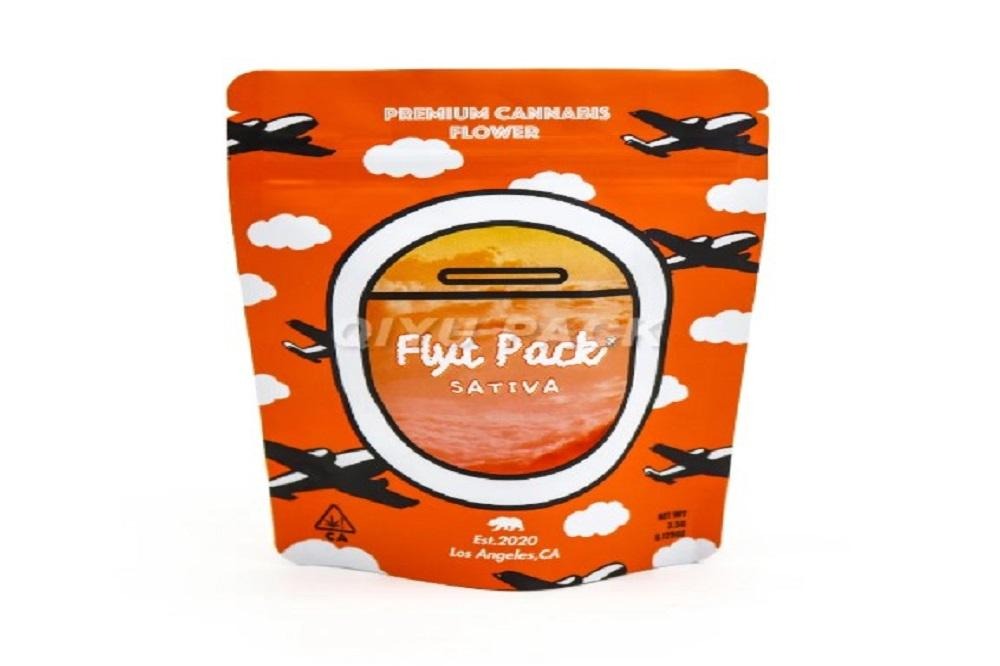
1. Custom Cannabis Packaging Bags Solution
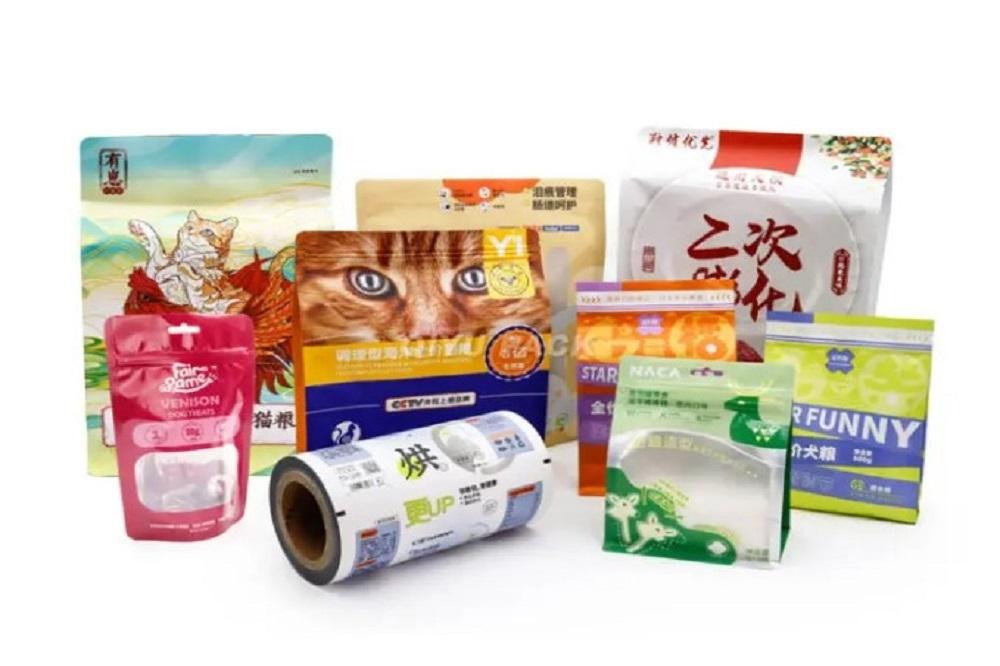
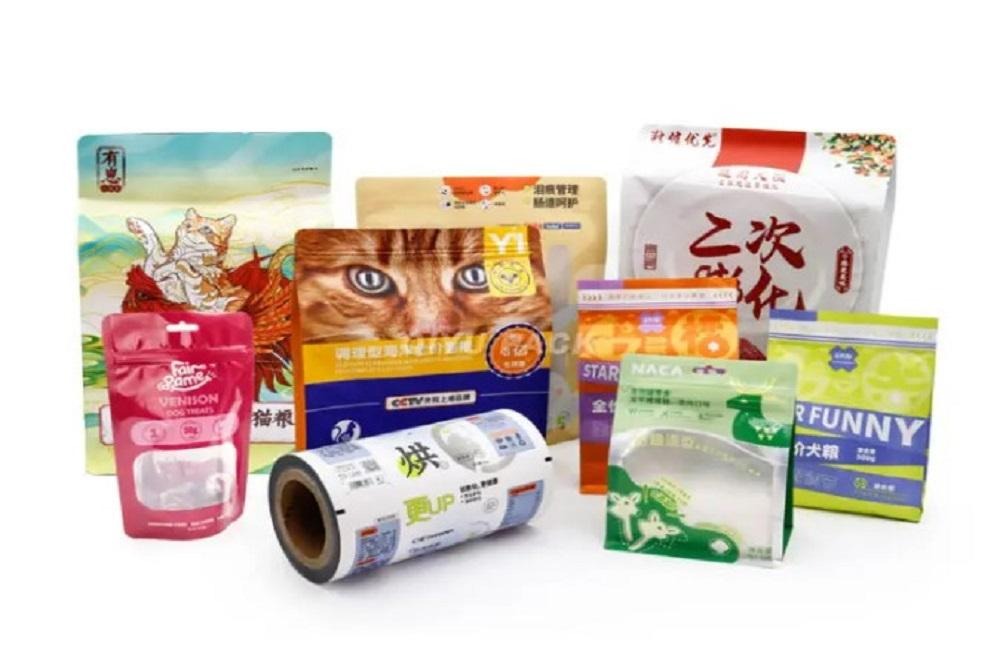
2. Custom Pet Food Packaging Solution
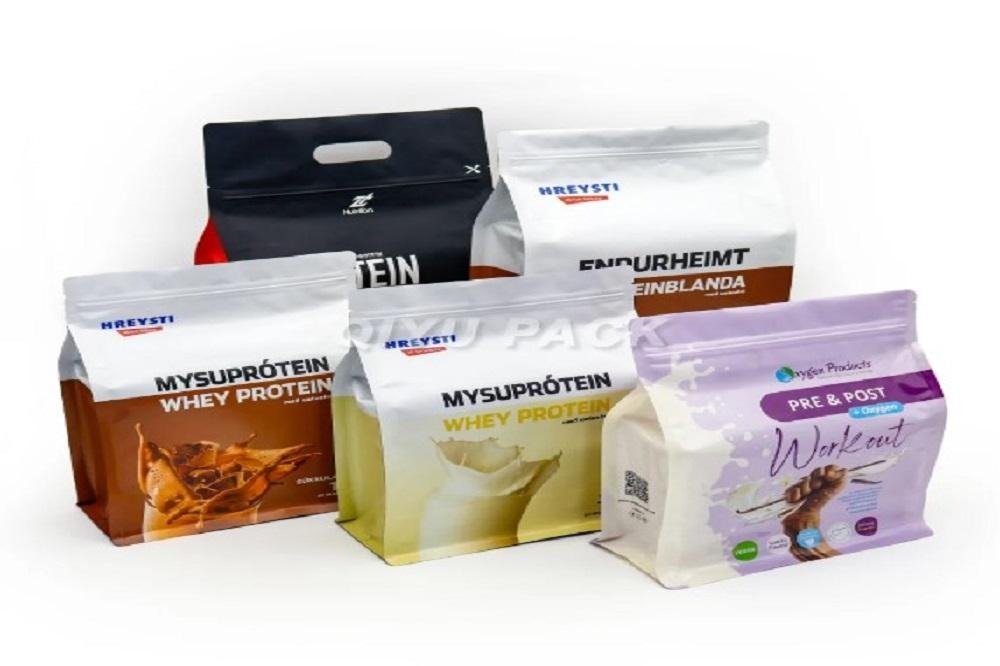
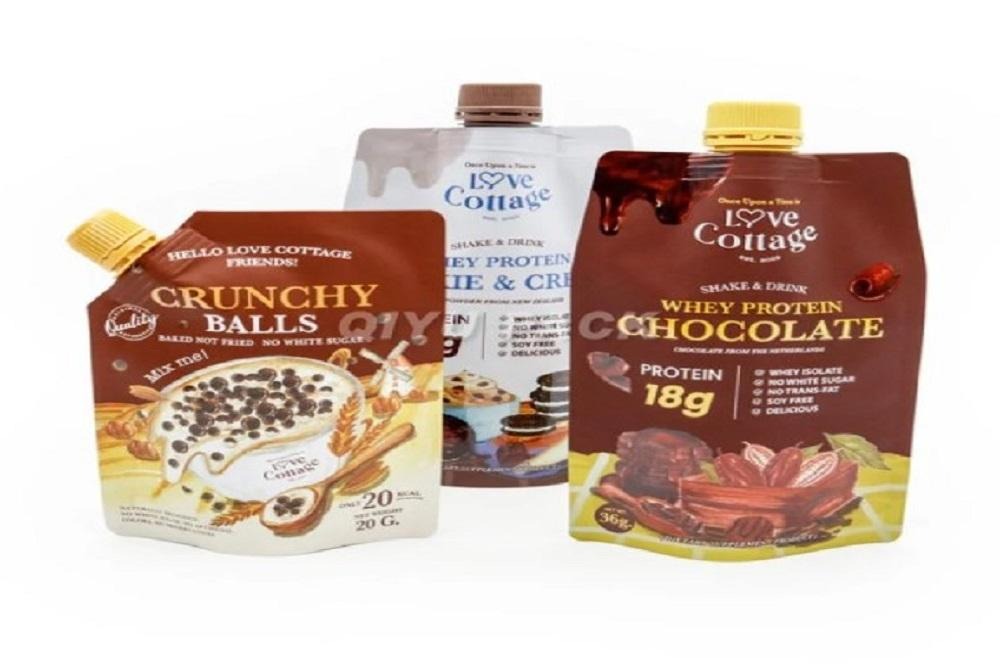
3. Protein Powder Packaging Solution
4. Custom Liquid Packaging Bags & Pouches Supplier
5. Custom Pet Food Packaging Solution
In conclusion, flexible packaging has become a cornerstone of modern packaging solutions across virtually every industry. Its unique ability to protect products, reduce waste, enhance user experience, and support sustainability makes it an invaluable tool for manufacturers and brands alike. As the packaging industry continues to evolve, companies that embrace flexible packaging innovations, sustainability-focused materials, and advanced production technologies will remain ahead of the curve, offering solutions that are both effective and responsible. Flexible packaging is not merely a container; Read more about food packaging bags.
Leave a Reply